
Nature and Wildlife
A General Birding Guide

The pursuit of birds in view appeals to lots of people for lots of reasons. Beyond the activity's obvious natural allure, "chasing" birds keeps watchers physically fit. Learning and identifying hundreds of species on the fly challenges the intellect and intensifies awareness. And for photographers and illustrators, there is no better subject. The concentration of ridges, valleys and wetlands in our area holds a fortune of interaction with the avian experience any time of year, but especially in spring.
Birding on Farms

Wildlife viewers and local farmers can now benefit from a new and innovative partnership that enhances both the ecology of Northwest New Jersey and the economies of our still-rural communities.
Butterflies
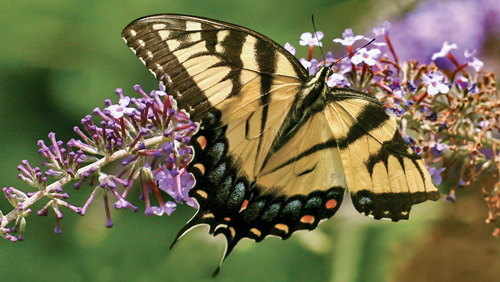
Flying jewels they are sometimes called. Butterflies come in many sizes and colors, from delicately small and hard to spot, to Monarch orange and yellow bouncing about the garden for all to see. Once the weather starts to warm up and nectar plants begin to bloom, butterflies become more and more evident from woodlands to suburban flower gardens.
Dragonflies
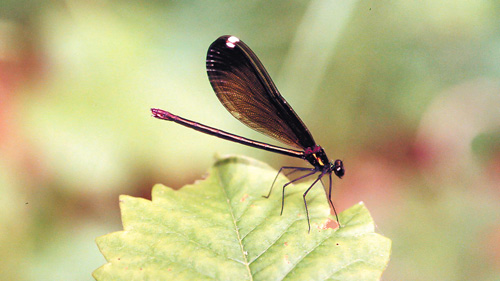
Did you ever notice those large insects zipping over streams and ponds all summer long, skimming the water, then shooting about in zigzag patterns that make your head spin watching them? Dragonflies and damselflies, collectively belonging to the taxonomic order Odonata, are named for their prominent biting mouthparts and predatory nature.
Eagle Nesting
In the spring of 2006, once again bald eagles nested along the Delaware River less than a mile below Portland PA. But a year has made a big difference in what this offered to eagle watchers.
Owl Spotting in Winter
Winter opens up a whole new opportunity for the nature lover. Since the canopy of leaves is gone, there is visibility for spotting owls.
Portland Eagles
Eagles generally prefer to shun civilization and distance themselves from humans, especially while raising a brood of eaglets. But last breeding season, a pair of bald eagles bent those rules, choosing a former osprey nesting platform near Warren County's western border, just south of Portland, PA, as the place to raise a family
Raccoon Ridge
For those in New Jersey that fancy the habits of our wild avian friends (such people are know as "birders"), fall is the season to head for the hills to observe the annual raptor migration. A raptor is a bird of prey--a general descriptor that includes eagles, hawks, falcons, and vultures.
Raptor Watching
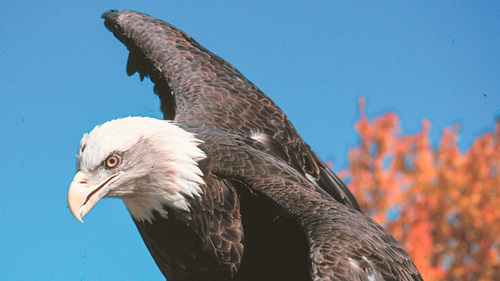
As the autumnal equinox approaches, local residents and visitors to the Northwest New Jersey Skylands gather to watch the raptor migrations as they fly along the thermals created along the path of the world's oldest mountain range the Appalachian Mountains.
Raptors At Merrill Creek
Many of the migration observation sites exist along the Kittatinny Ridge along New Jersey's Northwest border with the Delaware River; places like Raccoon Ridge and Sunrise Mountain. Another popular spot is the Scott's Mountain Hawk Watch, located further south at the inlet-outlet tower parking area on the western edge of Merrill Creek Reservoir, about 4 miles northeast of Phillipsburg, NJ.
The Owls Have It

From books and movies to commercials and graphic tee shirts, owls abound in popular culture. They draw us in with their big, soulful eyes and luxuriously soft-looking feathers, and we appreciate how that spark of interest can be nurtured into the type of informed appreciation that leads to conservation action. These amazing birds have earned their moment of fame and the platform it provides for education.
The Raptor Trust
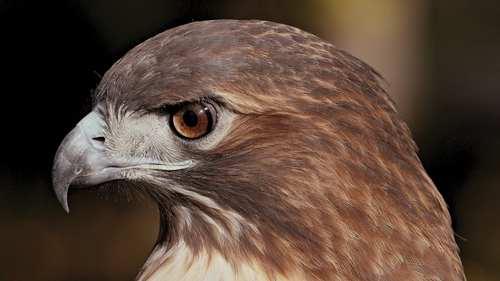
The Raptor Trust officially "took flight" in 1983, when Len Soucy and his wife, Diane, after fifteen years of backyard bird rehab, decided to incorporate their efforts as a non-profit organization that has since become one of the premier wild bird rehabilitation centers in the United States.
Wallkill National Wildlife Refuge
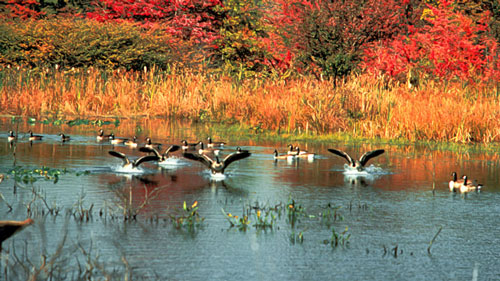
As a major watershed, wedged between the Appalachian Valley and Ridge to the west and the Highland Ridge System to the east, the Wallkill River provides migratory and nesting habitat for waterfowl, which use the valley as a conduit between eastern Canada and the Atlantic coast and between the Delaware and Hudson rivers.
Winter Bird Feeding
People have all kinds of special indicators to clue them in on the changing seasons, especially winter, like thickness of onion skins or stripes on a wooly bear caterpillar. I check out the birds at my feeders and their arrival dates.
Winter Bird Watching

Hastened by the first blanketings of snow, the shortened days of winter in the Skylands afford a chilly but unequaled opportunity to draw closer to nature and to enjoy the quiet that descends with the withdrawal of activity to the indoors. On these cold days, while local countryside vistas remain open and unshrouded by their canopy of leaves, the fields, forests, and woodlands of our region are prime for the pastime of winter birdwatching.
A Family Affair

They arrive on the earthen dam, the well-nourished female the first to climb up the ravine, nose in the air, white tail up until she feels safe enough to saunter toward the pond that remains at its summertime low. She takes a few sips, her ears twitching, hindquarters quivering from the flies and mosquitoes that will continue to plague her until the first hard frost.
Bad News Bugs
These days, enjoying life outdoors is almost a hazard to your health. But Nature in the Skylands is not to be missed despite voracious female mosquitoes seeking blood for protein and fat for her eggs, or despite deer ticks or black flies, sometimes just out to taunt. So don’t be scared. Be aware!
Black Bear
If you have yet to see a black bear up close, you're missing an exquisite example of nature's beauty and majesty. Here in the Skylands region of New Jersey some residents can catch a glimpse right in their own backyards.
Bobcats in the Skylands
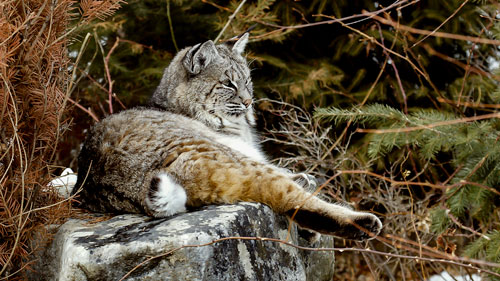
The bobcat, carrying a freshly killed rabbit, slipped through some mountain laurel. Almost three feet long and twenty inches high at the shoulder, in good years she might weigh as much as twenty-five pounds. If desperate —or lucky—she could take down a small deer.
Candid Wildlife Photography
Ever wonder what critters do when you're not around? What are they up to when they're not running away from you? Do they have a night life? You may have a good idea, but how often do you get to watch? Have some fun spying on your neighbors in the wild by getting hold of something called a trail camera.
Country Veterinarians
Many veterinarians live and work in northwest Jersey's farm country, but few are solo practitioners working from home without the assistance of other vets or technicians, venturing where they must to serve their paying and non-paying clients and patients.
Coyotes: The Life of Wiley
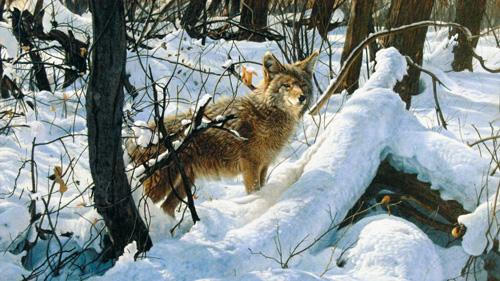
A sharp yip travels across a dark field by Lamington Road. More yips, then howls, then yip-howls follow. People in a nearby lot freeze, car keys in their hands, as the canine version of a devil's fugue increases in tempo. The sound moves west, following a line of woods one hundred yards distant and not nearly distant enough
For the Birds
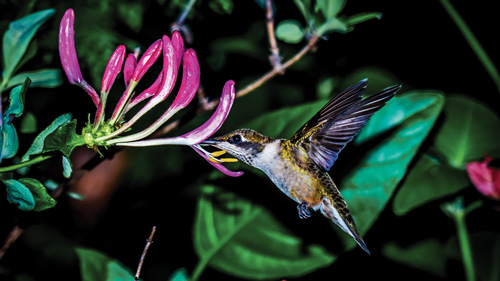
Who has not been enchanted by the mysterious hummingbird? You can turn your backyard into a hummingbird paradise, a place where these beautiful creatures will become regular visitors. Don't let them pass you by!
If You Plant It, Will They Come?

Insects are critical components of any natural area. Gardeners have become increasingly aware that, if we want wildlife in our gardens, we must support all life stages, year 'round. With the fragmented state of our natural areas, wildlife relies on our gardens, yards, fields, hedgerows, and woodlots to survive. When using native plants in a landscape, we are attempting to recreate functioning ecosystems to support the wonderful wildlife that, in fact, needs us to survive.
Kitty Fox
In the middle of a fast food parking lot, I slowly unfolded the flaps of a plain brown cardboard box. Three balls of charcoal gray fuzz were curled up inside on top of a ratty old towel. "Hi, pretty kitty," I cooed in my best loving mommy voice. I scooped her up in my hand, and she curled into a smaller ball, trying to disappear. "It's alright, baby girl," I said.
Lakota Wolf Preserve
At the Lakota Wolf Preserve, you can see wolves here in the East in a natural surrounding for the first time in over a century.
Mother Mink
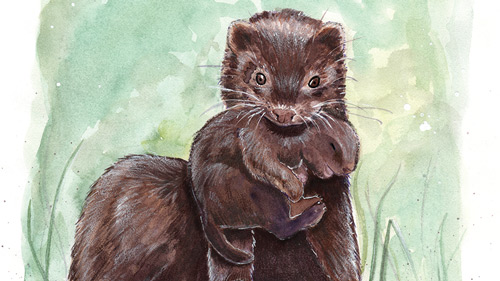
Spend enough time alongside a trout stream, and you're bound to make the acquaintance of some of the animals that reside along its banks. During my time fishing for trout, I' ve encountered many of these creatures with whom I've shared the stream.
Moths: Moonlight Miracles

Who doesn't enjoy looking at a beautiful butterfly as it flutters by and lands on a pretty flower? Maybe you have a butterfly garden that allows you the pleasure of sneaking in for a closer look at these fragile creatures all day long. But what if you could double your viewing pleasure? That' s right, day and night!
Old Friends at Lakota Wolf Perserve
It was a beautiful Fall day the first time that I saw my new wolf, Midnight. He was playing in a small enclosure with his three sisters, Willow, Cheyenne and Lakota. They were the most beautiful Timber wolves I'd ever seen, and they would be part of my family for many years to come. It was a beautiful Fall day the first time that I saw my new wolf, Midnight. He was playing in a small enclosure with his three sisters, Willow, Cheyenne and Lakota. They were the most beautiful Timber wolves I'd ever seen, and they would be part of my family for many years to come.
Promise of the Season
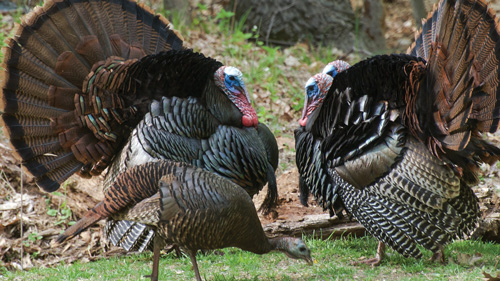
For weeks we have heard the gobbles and clucks of turkeys coming from the deep woods, a small flock of hens and another of immature jakes venturing into the yard to peck at the seed under our bird feeders, but lately, toms have appeared strutting onto the pond's earthen dam, the ducks unimpressed with their elaborate display.
Rare Herps

As the season eases into milder temperatures at the onset of spring, all manner of creatures stretch their bodies and move more freely, searching for food and mates while they patrol their home turfs. Among these creatures are some of the most rare, interesting, and beautiful animals in the Garden State. Though they often go unnoticed or are misunderstood, reptiles and amphibians are vital to the balance of our fragile ecosystems?and some of them are in pretty big trouble.
Rattlesnakes
A rattlesnake sat on my lap recently. Wrapped in a burlap bag and placed inside an open cardboard box, it rose and swayed as it sniffed the air to determine where it was. Another timber rattler lay beside me, snug and secure in a closed box on the truck's seat between me and the driver, MacKenzie Hall, timber rattlesnake researcher.
Spring Babies
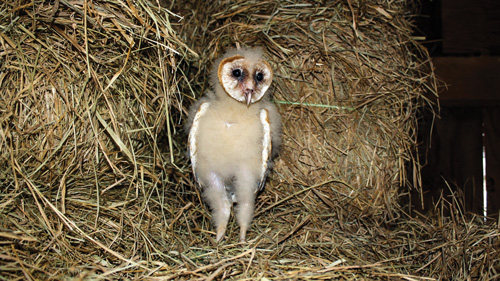
Look and listen for the signs of spring! Let your senses soak up the season - its fleeting beauty, warmth, scents, and most of all the peace and rejuvenation in its experience.
The Raptor Trust
The Raptor Trust officially "took flight" in 1983, when Len Soucy and his wife, Diane, after fifteen years of backyard bird rehab, decided to incorporate their efforts as a non-profit organization that has since become one of the premier wild bird rehabilitation centers in the United States.
Warren County's Conservation Challenge
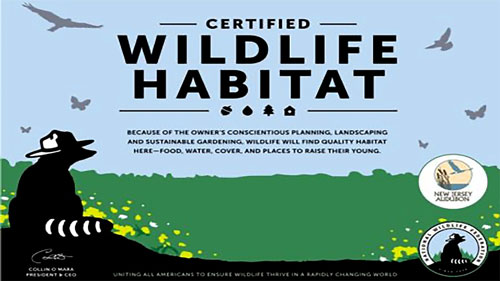
The Warren County Board of County Commissioners has embarked on an ambitious endeavor to transform Warren County into the first county in New Jersey to achieve certification as a Community Wildlife Habitat with the National Wildlife Federation.
Why Did The Turtle Cross The Road?
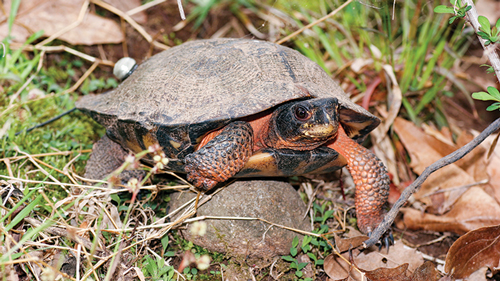
Like all of our terrestrial wildlife, turtles require space to roam to do all the things creatures need to do - eat, breed, escape, shelter - and the fragmented patches of natural lands we have left are often too small in size to support those needs.
Wildlife Rescue
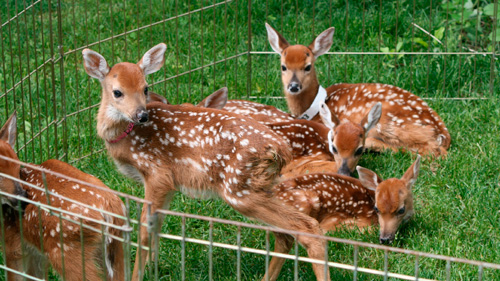
The common goal of wildlife rehabilitators is to work in concert with the public and to promote a responsible concern for living beings and the welfare of the environment.
Wildlife Tracking at Hoffman Park
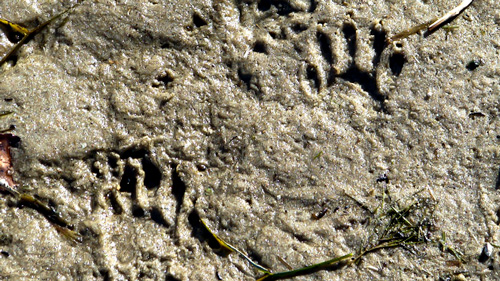
You'll have to excuse me, but when I go for a hike in a forested park, it's probably not the same walk many of you would take. That's because I am a tracker.
Wings and a Prayer
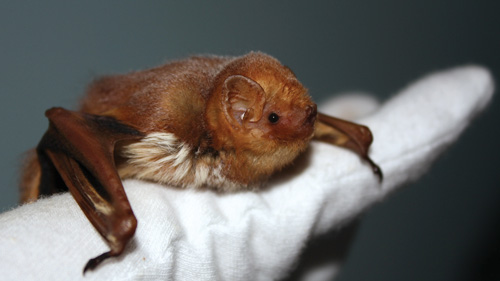
Bats are a fascinating group of animals. They’ve been flapping through the skies for more than fifty million years and are still the only mammals on Earth that can truly fly. But they are largely misunderstood, and have had very hard times of late.
Yardology
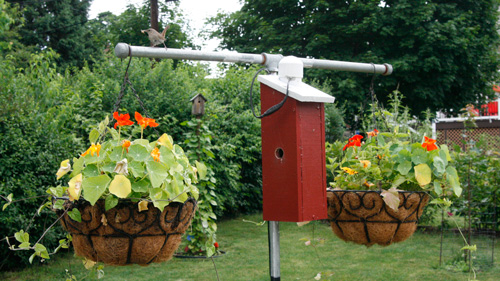
Your backyard can be more than just an area you need to mow on Saturdays. Even on a small lot in a congested suburban area, you can grow enough food to put away dozens of quarts of delicious homegrown produce for consumption throughout the year. And it is fascinating to take note of the wide variety of wildlife with which you share your domain. You may even want to invite more!
Guide yourself across the most awesome and beautiful countenance
of New Jersey’s Northwest. For your peace and pleasure,
embrace the wonders of Skylands gardens and find inspiration
as you would at a fine art museum. The sculptures created by
astounding aesthetic combinations of plant, landscape and architecture
awaken and delight every sense in an embrace with nature.
“ A garden’s mission is complex, multi-faceted
and dependent on its stage of development... While plants may
seem to have a low profile in our society, they are the basis
of life as we know it. A garden’s real mission is to
make this fact abundantly clear by serving to improve communications
between the plant world and the human world.”- Shannon
Smith, Why a Botanical Garden in The Public Garden, Jan 1989
Ash At The Edge

There's a tree that I look at nearly every day. It's a huge ash tree that towers above our house just outside my bedroom window. Its trunk is close to three feet in diameter at the base and extends up more than fifty feet before it reaches the first group of branches. It's almost unimaginable to think that I might lose it, but that?s a distinct possibility now that the Emerald Ash Borer (EAB) has arrived in New Jersey
Buck Garden
Leonard J. Buck Garden in Far Hills is a garden of splendor and inspiration-- a landscape of art, sprung from a love of the beauty of plants and a reverence for nature.
Champion Trees
Dedicated arborists tend trees through ice storms, pests, fungus, and an onslaught of pollutants. With time and luck, a tree might become a legacy for generations.
Duke Gardens
In 1964, Doris Duke completed one of her life's ambitions when she opened a splendidly enchanted acre of land on her expansive Somerville estate for public visitation.
Fall Foliage
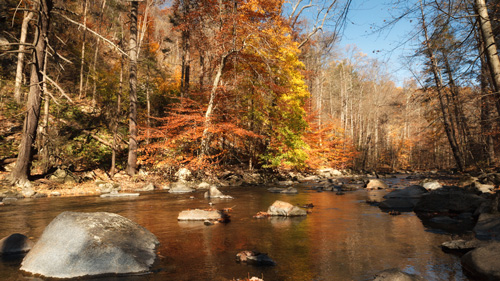
The annual fall foliage bloom is dependent primarily on moisture and the first frost, but peak leaf viewing in Northwest New Jersey normally occurs somewhere around the first full week of October.
Fertile Ground
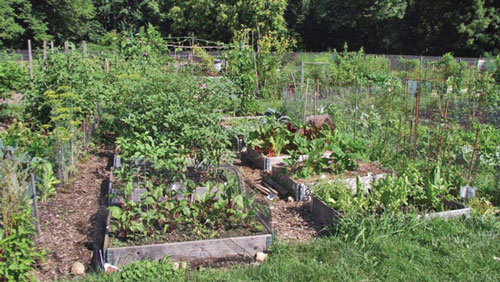
Lately, more and more of New Jersey’s edibles emerge in community gardens, which grow communities as well as good things to eat.
Forest Flowers of Musconetcong Gorge
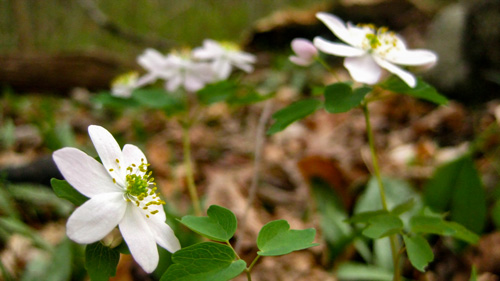
Broadly speaking, the most diverse forest ecosystems are ones with the fewest human interventions dating from modern times. Untouched land in New Jersey is rare if not non-existent. Musconetcong Gorge Reservation has a special mix of natural and human history that makes it a rewarding botanical site in the late spring months of May and June.
Historic Gardens
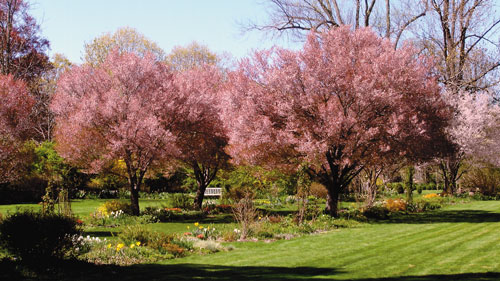
What could say "Spring" more than the bright yellow branches of Forsythia shooting outward like hot yellow firecrackers? Or pink tulips and yellow daffodils growing and glowing close together? How about the heady aroma of purple, pink and white lilacs, and saucer-sized pink and white magnolia flowers flouncing against blue sky?
Jersey Grown Gardens
If toxic chemicals don't fit your vision of "green thumbness," look to the following alternatives for making your lawn and garden come alive!
Local Roots
At the Pohatcong Native Arboretum, specimens are organized by family and planted in raised beds covered with glacial stones. There are also hiking trails along the creek.
Plant Anatomy of a Holiday Feast

This season, take note of the bounty on your plate. What's it all about?
Power Plants
The forests and fields of Northwest Jersey offer a visitor much more than a walk in the park. They are a veritable garden; Nature's garden of edible and medicinal plants.
Restless Natives
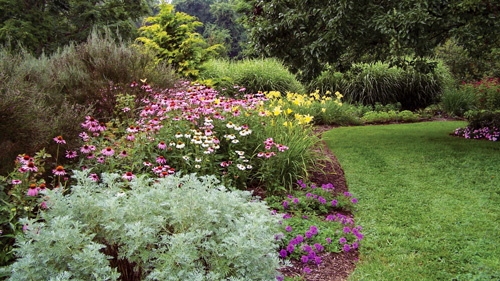
Native plants are hot these days, but horticulturists suspect that most people are unaware of them and, even among those-in-the-know, "what exactly is a native" is a dilemma. Experts have reached an accord: a New Jersey native plant was living here before the colonists arrived. Here is a handful of fabulous gardens to visit with native species in their ecological mission.
Seeds of Passion at Skylands Botanical Garden

In the Ramapo Mountains of Ringwood lies one of New Jersey's most exquisite gems, the New Jersey State Botanical Garden (NJGB). Its ninety-six cultivated acres are a secret to many -- for others, a joyous discovery waiting to happen.
Wildflower Hunting at Jenny Jump
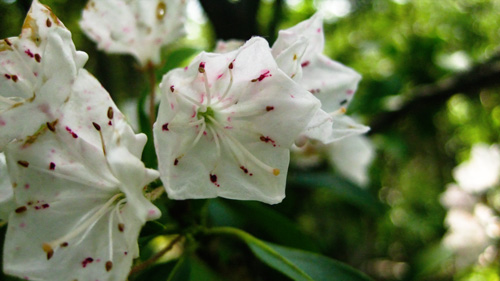
Native perennial wildflowers bloom briefly, anywhere from one to four weeks, depending on the species. That means a regular visit to particularly robust nature preserves can reveal different wildflowers blooming each time. Jenny Jump State Forest has a magical variation in elevation and terrain that makes it a rewarding site for spring forest flowers.
A Straw Bale Home
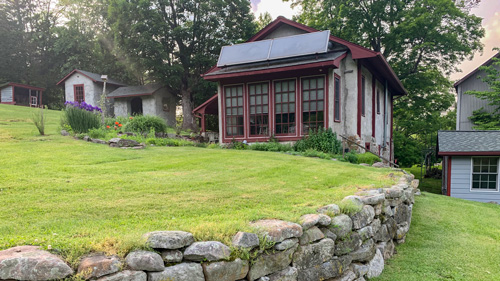
The straw bale house at Genesis Farm in Frelinghuysen demonstrates the use of locally available, time-tested renewable materials to construct an energy efficient, aesthetically pleasing home. This prototype was fully permitted and approved for residential use in 2001, connected to a solar array for its electricity needs, a solar-space heating system, a composting toilet and a grey water system.
Big Skylands Country

Warren County's Scott's Mountain, so named since at least 1885, is known locally as Montana Mountain, named for the small hamlet that sits on its scenic plateau. Nearby Merrill Creek Reservoir, with its vast open waters and network of wooded trails, is deserving of any excursion up the mountain. The trip back down into and through the Pohatcong Valley is equally rewarding for students of history and devotees of the outdoors, especially in autumn when you might even spot flying pumpkins.
Blair Creek Preserve
Under the shade of oak, hickory, maple and beech, a rutted, over-grown driveway leads to a little cabin by a lake deep in the woods in Stillwater.
Botanical Spell Along Patriot's Path
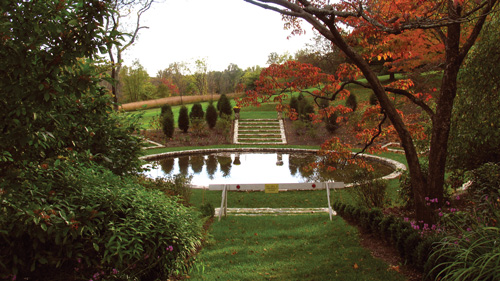
Plan to spend a day on this easy path from garden to garden. Get to know the richness and pleasures of their natural and cultivated diversity.
Centered on Rediscovery
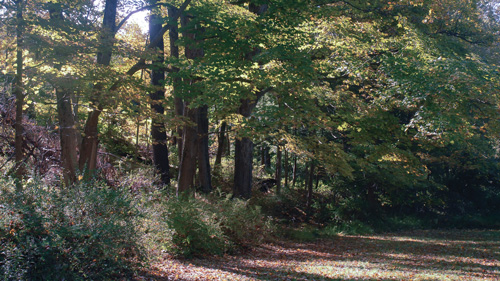
Ridge and Valley Conservancy is a non- profit organization whose mission is to preserve and protect natural areas within the Appalachian Valley and Ridge.
Duke Farms: A Thousand To One
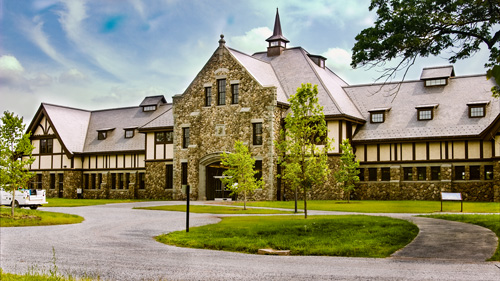
The former one-acre Duke Gardens exhibit has been expanded to one thousand acres open for public exploration and enjoyment for the first time in one hundred years. The gardens have become Duke Farms Living Habitats, and their worldly cultural aesthetic has largely transformed into a focus on what belongs right here, right now.
Field Guide
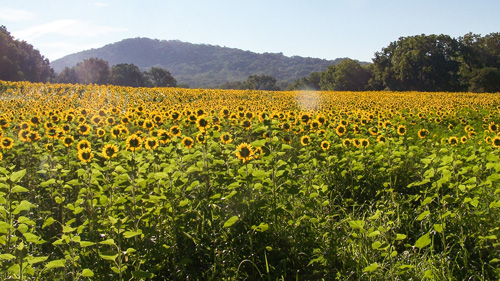
NJ Audubon’s thirty-fifth outpost, the Wattles Stewardship Center in Port Murray, is a model for blending environmental awareness, wildlife habitat, and agriculture -- and a wonderful place to take a walk!
Friends of Great Swamp

Friends of Great Swamp was established in 1999 to provide assistance and support to Great Swamp National Wildlife Refuge through volunteer efforts and the funding of programs and projects to benefit wildlife and refuge visitors. For more than twenty years the group has worked diligently to fulfill this mission.
Gifford Pinchot and Grey Towers

Visitors to Grey Towers will come to understand the importance of the Pinchot family influence on America's conservation ethics and natural resource management policies.
Great Swamp National Wildlife Refuge
The Great Swamp is a place where "open space" have been magic words for a long time.
Haven at St. Hubert's for Unhappy Dogdom

Of all the things that Geraldine Rockefeller Dodge left behind -- €”the thirty-five room mansion, hundreds of acres of prime real estate, a Fifth Avenue townhouse, enough sterling silver trophies and bronze sculptures to sink a small ship, museum quality paintings, and a forty-four carat sapphire -- St. Hubert's Giralda may have been the one she valued most.
Hutcheson Memorial Forest
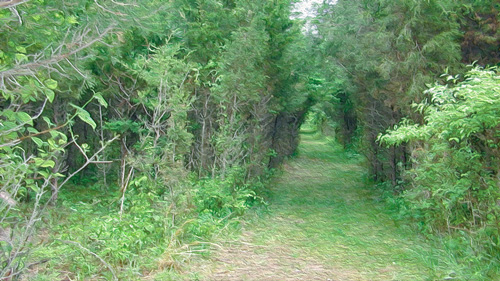
A 65-acre tract of old growth forest in Franklin Township, Somerset County, is a conundrum in time and purpose
Local Roots
At the Pohatcong Native Arboretum, specimens are organized by family and planted in raised beds covered with glacial stones. There are also hiking trails along the creek.
Merrill Creek Recreation Area
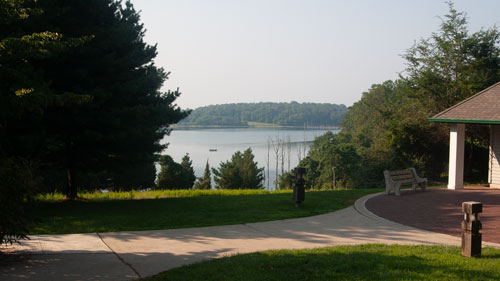
Visitors have the chance to help in environmental studies by merely carrying a turtle or lending a fish on the end of your hook.
Natirar
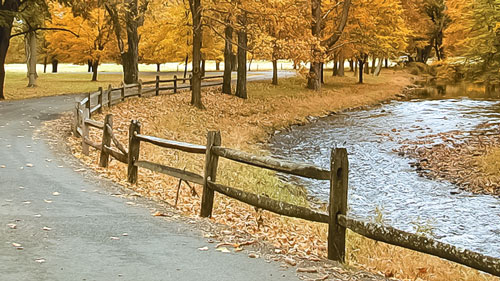
Natirar offers hiking, horses and fishing outdoors, events, exhibitions and concerts, a museum and interpretive center.
Nineteen Years in the Wilderness
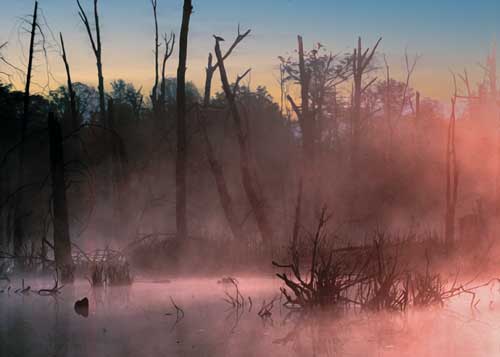
Tom McFadden, Outdoor Recreation Planner for the US Fish and Wildlife Service at the Great Swamp Wildlife Refuge was nearing his retirement when he answered some questions about the Wilderness Area. He had spent as much time in the Wilderness Area as anyone else alive.
NJ School of Conservation
The New Jersey School of Conservation is the Environmental Education Field Campus of Montclair State University. Located 57 miles from the Essex County campus, on a 240-acre tract within the boundaries of Stokes State Forest in Sussex County, it is the oldest university-operated environmental education center in the nation.
Paths of Green, Fields of Gold
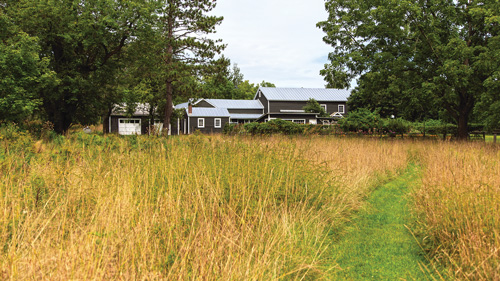
A visit to Fairview Farm, headquarters for the Raritan Headwater Association, is captivating. There are six miles of trails, a pond, butterfly garden and restored 1800’s era barn complex.
Pyramid Power
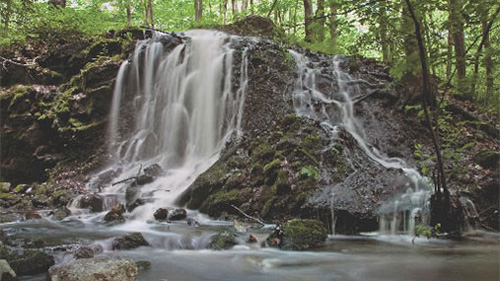
The story of one of the Northwestern New Jersey’s largest and more improbable natural treasures, a fist shaped swath of land designated in 1987 as the Pyramid Mountain Natural Historic Area, nearly 1,500 acres of wooded terrain dotted with brooks, swamps, glacial deposits, rock outcroppings glens and vistas.
Refuge Matters
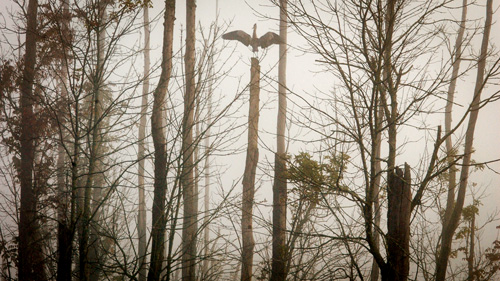
In 1959, galvanized community activists fought a proposed jetport that threatened the Great Swamp watershed. They raised enough money and support to donate thousands of acres to the U.S. Department of the Interior, and the Great Swamp National Wildlife Refuge was born. The public can explore the swampy outdoors in the Refuge Wilderness Area.
Schiff Nature Preserve
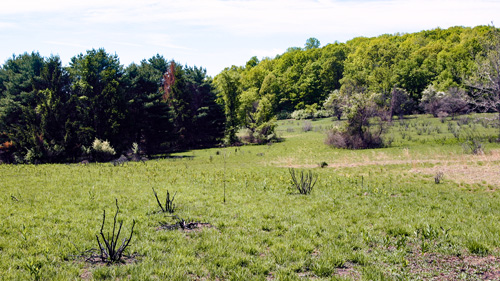
The eight miles of trails at the Schiff Nature Preserve in Mendham Township are generous with beautiful vistas, challenging terrain, and a variety of natural habitats.
Seeds of Passion at Skylands Botanical Garden
In the Ramapo Mountains of Ringwood lies one of New Jersey's most exquisite gems, the New Jersey State Botanical Garden (NJGB). Its ninety-six cultivated acres are a secret to many -- for others, a joyous discovery waiting to happen.
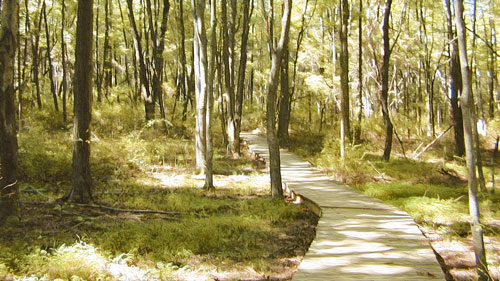
Sparta Mountain Wildlife Management Area
The Sparta Mountain Wildlife Management Area (WMA) lies in Sussex County off Route 517 and Glen Road near the Town of Sparta, and along the Highlands Trail.
The Hills Are Alive

The Hill and Dale Preserve in Tewksbury is the most recent purchase of the New Jersey Conservation Foundation (NJCF), an organization dedicated to saving and protecting New Jersey's important lands and natural resources for all to enjoy.
The New Weis Center

In the land of Ringwood, off the highly traveled path, lies a 152-acre gem where all are welcome to learn about Nature and experience peace at The New Weis Center for Education, Arts and Recreation. The Center is dedicated to giving kids an opportunity to explore, learn and have respect for Nature, as well as offering adult workshops.
The Raptor Trust
The Raptor Trust officially "took flight" in 1983, when Len Soucy and his wife, Diane, after fifteen years of backyard bird rehab, decided to incorporate their efforts as a non-profit organization that has since become one of the premier wild bird rehabilitation centers in the United States.
Vernal Pools
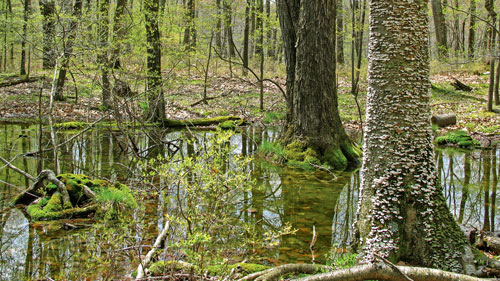
This spring, head for the woods on a special type of hunt. You won't find explicit directions, but if you log any appreciable trail time in the spring, you'll eventually come across a vernal pool.
Wallkill National Wildlife Refuge
As a major watershed, wedged between the Appalachian Valley and Ridge to the west and the Highland Ridge System to the east, the Wallkill River provides migratory and nesting habitat for waterfowl, which use the valley as a conduit between eastern Canada and the Atlantic coast and between the Delaware and Hudson rivers.
Wet and Wild
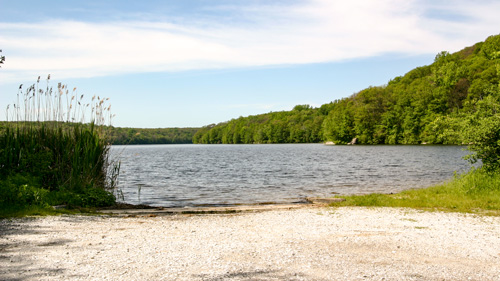
Newfoundland, West Milford offer preserved deep forests, brooks, ponds and unspoiled landscapes throughout the Pequannock Watershed.
Wildlife Refuges in New Jersey
The year 2003 celebrated the centennial birthday of the National Wildlife Refuge System, a network of public lands purchased, enhanced, restored and maintained by the US Fish & Wildlife Service for wildlife and their habitats, and preserved for the enjoyment of present and future generations.
Float the Wild Side on the Wallkill River
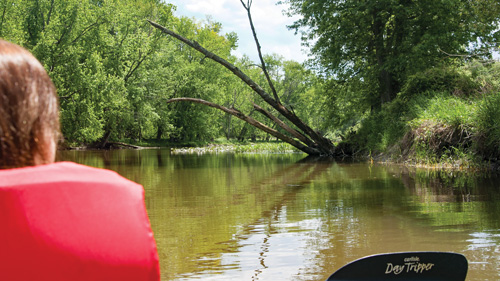
Follow the tiny but mighty Wallkill River on its 88.3-mile journey north through eastern Sussex County into New York State. From out of Lake Mohawk, it spills over a dam then becomes a stream unseen by most, running through town parks, woodland, and past parking lots and businesses. It's dammed in Franklin to form Franklin Pond, the town's reservoir, and, in Hamburg, is stocked with trout before it flows through the Wallkill River National Wildlife Refuge and into New York.
Hacklebarney State Park
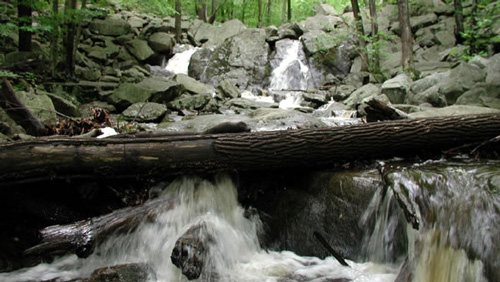
Hacklebarney State Park is 892 acres of glacial valley, with gorges carved by the Black River and two tributaries that feed it, the Rinehart and Trout Brooks. There are over 5 miles of trails.
Lower Musconetcong Valley
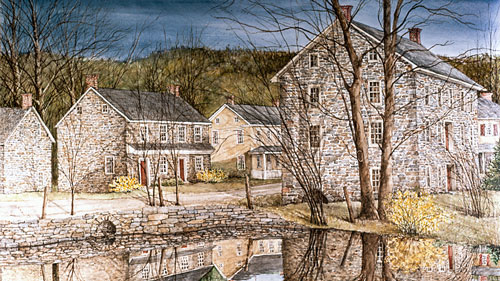
Taking Route 519 south from Alpha through Springtown, the narrow macadam curves west as it enters the lower Musconetcong Valley and joins Route 627. This, 627, is the route to stay with for 519 soon deserts us and goes off to Milford. Route 627 hugs the lower Musconetcong River for its last few miles of existence through a little-known collection of ancient settlements and beautiful farms.
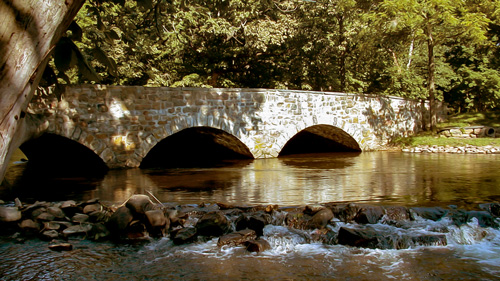
Pequest River
When the brooklet reaches Warren County, just a few miles from its source at Stickles Pond, it becomes a respectable body of water. For example, in Sussex County the streamlet is most often referred to as Pequest Crik; in Warren County its name is, without exception, Pequest RIVER.
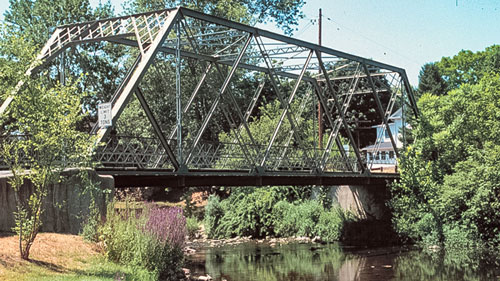
Raritan South Branch: Budd Lake to Clinton
The fledgling river flows south from Budd Lake, under Route 46 where you can follow its general path by turning left on Wolff Rd, right on Flanders-Drakestown, and left again on River Road through heavily wooded residential areas marked here and there by occasional ancient homesteads and antique mills refurbished for family habitation. When River Road meets Flanders Bartley Road, turn right and follow the river as it makes its way, having picked up some steam, into Washington Valley.
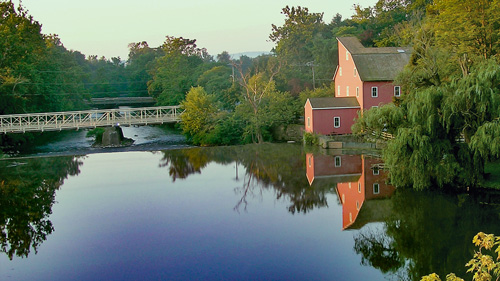
Raritan South Branch: Clinton to Flemington
A good place to begin your appreciation of the South Branch is at Echo Hill Park just south of Clinton.
Raritan South Branch: Flemington to Bridgewater
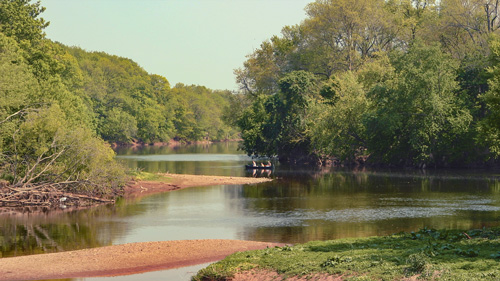
The water begins to spread across wider ranges of farmland and meadows as it approaches the Higginsville Road bridges that span the river between Hunterdon and Somerset Counties.
Rockaway River
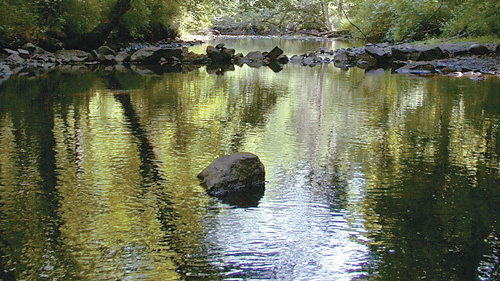
Follow its path not an easy thing, since access is often difficult and you can see things that make you want to cheer and weep. In its 40 miles, the Rockaway serves as a précis of the story of all American rivers and their relationship with people who live, work, play, travel, love, care for and ignore them.
Shad Fishing
The restless army enters the river proper in smaller divisions; schools clustered densely at the center of the run with advance brigades in front, followed by platoons hanging back at the rear. Their mission is simply to swim, females following males to nesting locations along a journey that, for some, can continue for more than 300 miles.
Super Intentions
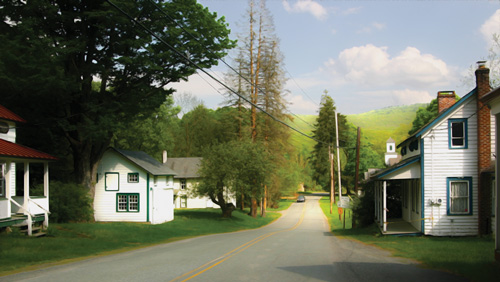
The fiftieth anniversary of Delaware Water Gap Recreation Area in 2015, which coincides with the hundredth anniversary of the National Park Service in 2016, invites reflection on the past—and a focus on the future.
The Black River
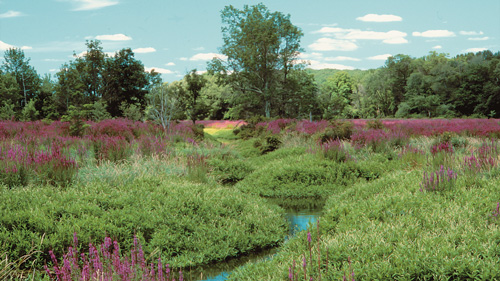
The Black River (also called the Black-Lamington) is only about 12 miles long from beginning to end, but on the way it slices through the lives of tens of thousands of New Jerseyans. It hits them where they live, work and play.
The Lamington River
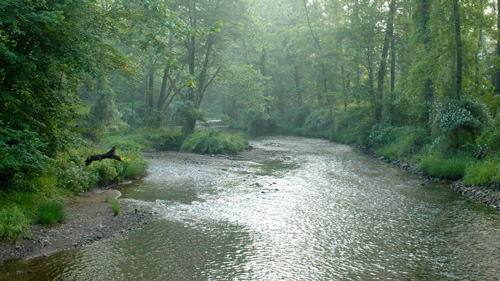
Two tributaries of the Raritan River, the Lamington River and the North Branch, meander through some of the prettiest scenery in the state. Happily, some of the best stretches of the rivers are now open to the public. Confucius claimed that a man of wisdom delights in water; these havens offer ample opportunities to grow wise.
The Mighty Musky
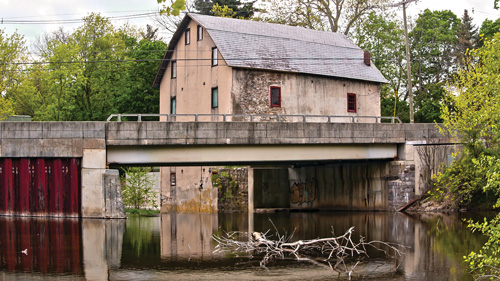
The Musconetcong River runs forty-two miles down from Lake Hopatcong to the Delaware River. But in that brief distance, the river and its valley describe, for better or worse, the evolution of modern American culture in the advance of agriculture, transportation and industry. Exploration of the valley is never short on delightful surprises, and deserves to be on your itinerary. The village of Asbury is a good place to begin.
Wallkill National Wildlife Refuge
As a major watershed, wedged between the Appalachian Valley and Ridge to the west and the Highland Ridge System to the east, the Wallkill River provides migratory and nesting habitat for waterfowl, which use the valley as a conduit between eastern Canada and the Atlantic coast and between the Delaware and Hudson rivers.
Whippany River
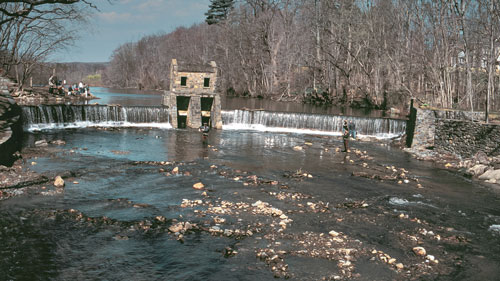
If ever there was a river that expresses New Jerseyans' attitude toward their state's natural resources, the Whippany River is it.
Worthington State Forest
Situated along the river, within the Delaware Water Gap National Recreation Area, Worthington State Forest comprises almost 6,000 acres extending about seven miles along the Kittatinny Ridge.
Consider: From the vantage of the stars

The word "consider" has its origin in the early French word for star-like: "sidereal". We might suggest that "consider" now has an expanded meaning, suggesting that by referencing contemporary theories of stars, their origin, nature and function over the thirteen-billion-year history of the universe, we are given profoundly new and powerful insights.
Core Values
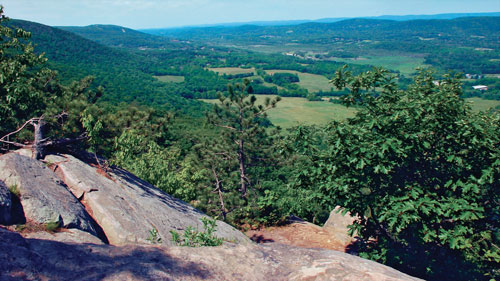
Many, many stories adorn the history of the Highlands. But what about the future? What are the significant challenges ahead for our cherished home? That question has an easy answer: climate change.
Cosmology and the Present Moment

With the multiple shock waves of this year's events, it could seem utterly naive to hope that today's adult decision makers could face the challenge of exploring a new cosmological perspective different than the familiar one of the past centuries. But that is exactly what Swimme, Carl Sagan and Stephen Hawking have proposed by entreating and encouraging us to change our own inadequate perceptions of the world around us.
Grass to the Glass

Many states have adopted regulations to allow consumer access to carefully produced fresh, unprocessed whole milk. New Jersey is the only state with a complete prohibition against distribution of "raw" milk according to the Farm to Consumer Legal Defense Fund.
Hard Rain's Gonna Fall

People who tend the land have observed physical weather-related changes that affect their occupations. Some had to rethink their direction while others continue on, hoping for the best, but onward thinkers all. Here are a few of their experiences.
If Not Now, When?
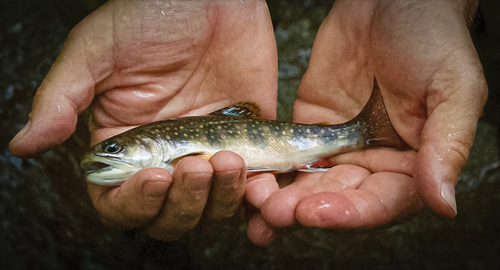
It's been a tough year's virus we can't seem to control, economic hardship, social unrest across the country, the warmest summer on record, and a citizenry as divided as it has ever been. These are the thoughts running through my mind while driving toward Bonnie Brook on this fall morning. Alongside the road, tawny strains of summer grasses wave in the breeze that sweeps across the fields. A barn leans to one side. In need of painting, the roof sags like the back of an old mare.
The Highlands Plan
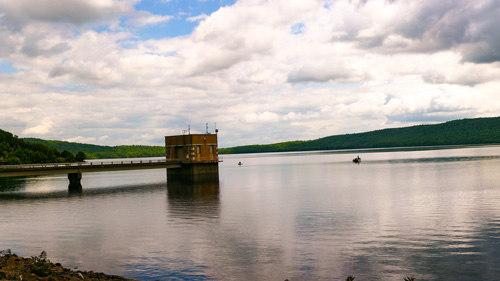
At best, the Highlands Act offers a shield. Uncertainty surrounds the bill; a key feature of the regional master plan allows for revisions and updates at least once every five years. A council of political appointees controls veto power over construction in the core area. Development will be slowed, not halted. Around the watershed lands, only money for state acquisition can stop the loss of large tracts of land.