Maybe it's the Eden thing, but an apple orchard in autumn radiates a particular security. A walk among ageless trees laden with the mythical fruit is a trip through a special kind of garden. Apples come in many varieties, each cultivated for its own purpose. All have one thing in common; they are good for you. Apples are an excellent source of dietary fiber, which reduces cholesterol, aids digestion, and prevents certain types of cancer. Research indicates that, because apples contain flavonoids, they may reduce the risk of lung cancer and generally improve lung function.
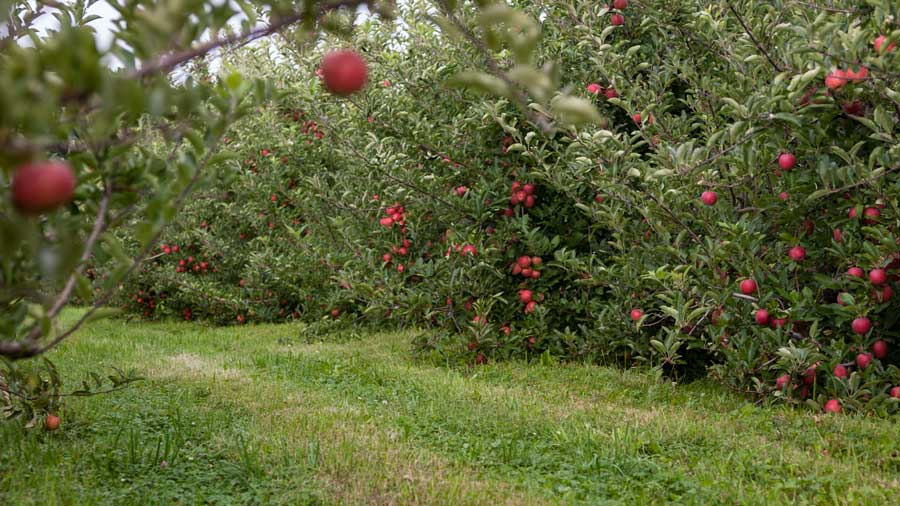
More than half of New Jersey's apples ripen in September. Visitors are often content to roam traditional orchards. Some include wagon rides to the picking area and shops filled with baked goods; a few with fresh homemade cider.
Growing apples is always an adventure. Sometimes, extraordinary warm weather in March coaxes early blossoms from the trees. Then, an April frost threatens the orchards, and not all of the open flower blossoms survived the freezing nights. A hot, dry summer might follow, slowing the apples' growth, in between, violent hail storms that pummel the trees. Thankfully, the dry weather minimized disease and blight, and most local growers manage to survive. But be sure to call ahead to confirm an adequate supply of apples at your orchard of choice.
Of the thirty different apple varieties grown in New Jersey, the Winesap is the oldest, dating back to the late 1700s. Other popular varieties grown in New Jersey include Red and Golden Delicious, McIntosh, and Granny Smith. But to give consumers a larger assortment of this popular fruit, researchers are always testing for new varieties. Here are varieties you'll find this fall at Skylands farms.
Tips for picking:
The New Jersey Department of Agriculture provides all kinds of useful information for your autumn picking pleasure through a series of brochures and at their website. The department's marketing efforts include the nationally-recognized Jersey Fresh marketing program which works throughout New Jersey's growing season to remind shoppers that the freshest, locally-grown products are waiting for them at supermarkets, farmers' markets and roadside stands around the state.
The cider you find in the supermarket is "flash pasteurized" and often loaded up with preservatives and sweeteners to extend shelf-life. But you can still find fresh cider here and there at local farms. Even more unusual is the local farmer who makes his own. Making cider is relatively simple but has always required skilled craftsmen. Picking apples at the right time, storing them properly, and processing in a timely fashion are all critical. And a skilled cider miller might blend a variety of fruit--one for sweet, one for tart, one for fragrance--to create cider to write home about. Fortunately there are a few fine local cider-makers in our area.
The process is pretty much the same as in the "old days." The apples are sorted and washed, ground into pomace and pumped into frames. The cheeses are stacked fourteen high in hydraulic, rather than purely mechanical, presses. And the cider squeezes out into stainless steel tanks. On a fast day these local presses can put out 1,000 -2,000 gallons, most of it available only for their own customers.
At Pochuck Valley Farms, in Glenwood (northern Sussex County), the cider is pumped into a holding tank with no other processing. The entire process is done cold to preserve the taste and flavor of the apples and to inhibit fermentation. Even so, it takes three weeks before hardness starts.
Fresh local cider gets tastier as fall progresses, as more kinds of apples become available, and as they sweeten in storage. For example, Winesap, introduced to the mix for tang, doesn't ripen until later in the fall. Among others, Red Delicious is added for sweetness, McIntosh and Empire for body. In any case, you'll get the best cider after Halloween.